

What does your hair loss look like?
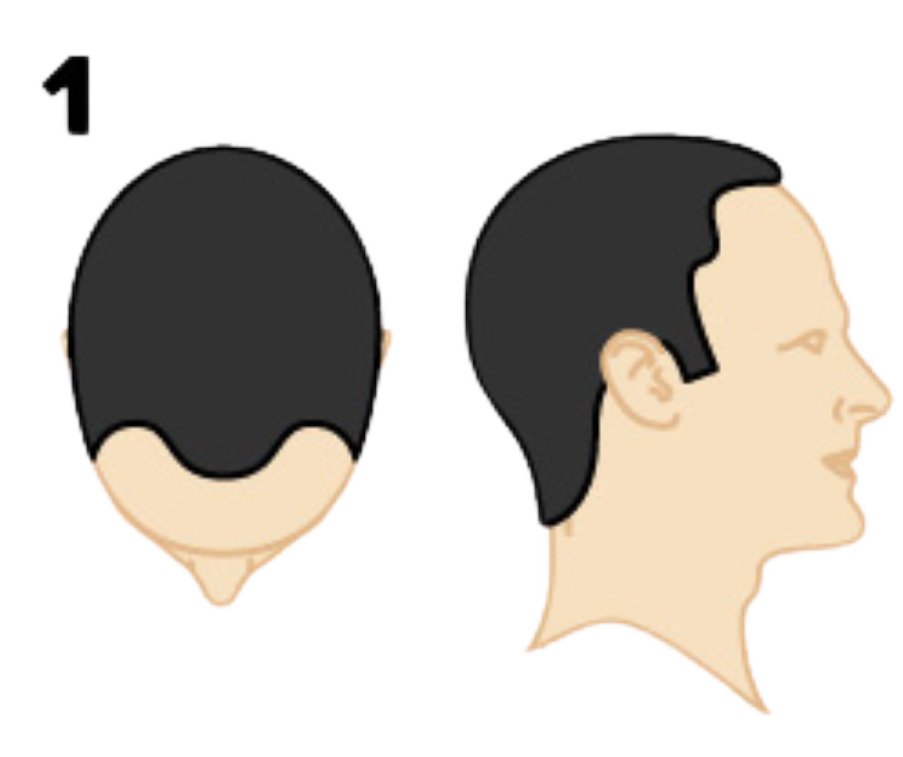
Stage One
Minimal hair loss with no noticeable recession.
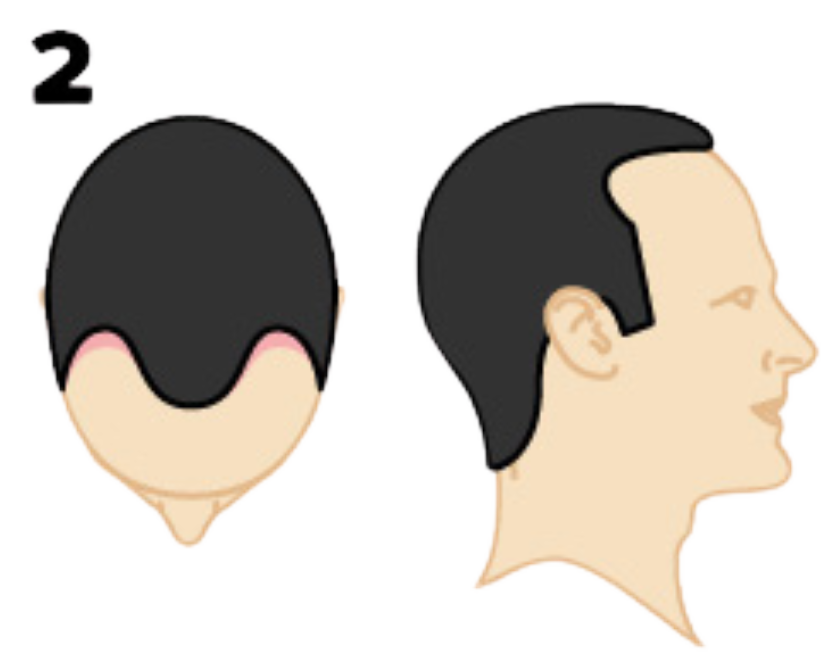
Stage Two
Slight recession forming a subtle "M" shape.
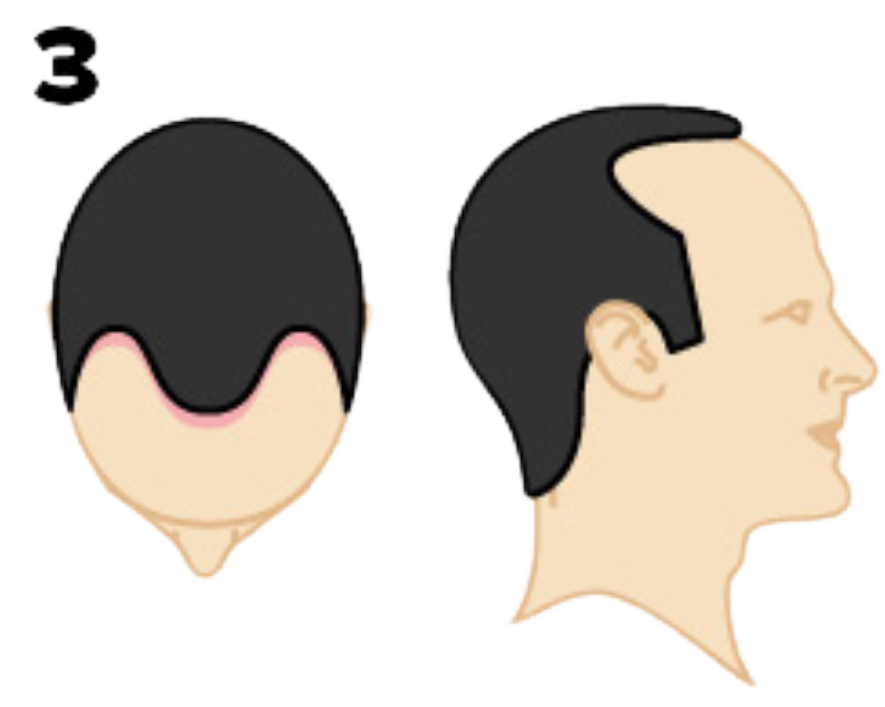
Stage Three
Deeper temple recession, often with early crown thinning.
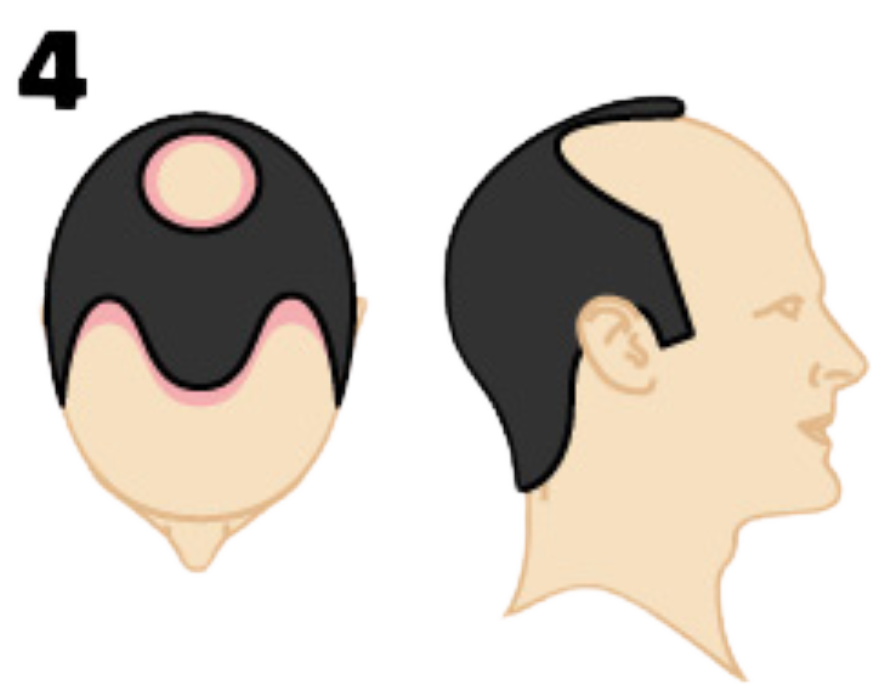
Stage Four
Hairline recedes further; crown thinning expands.
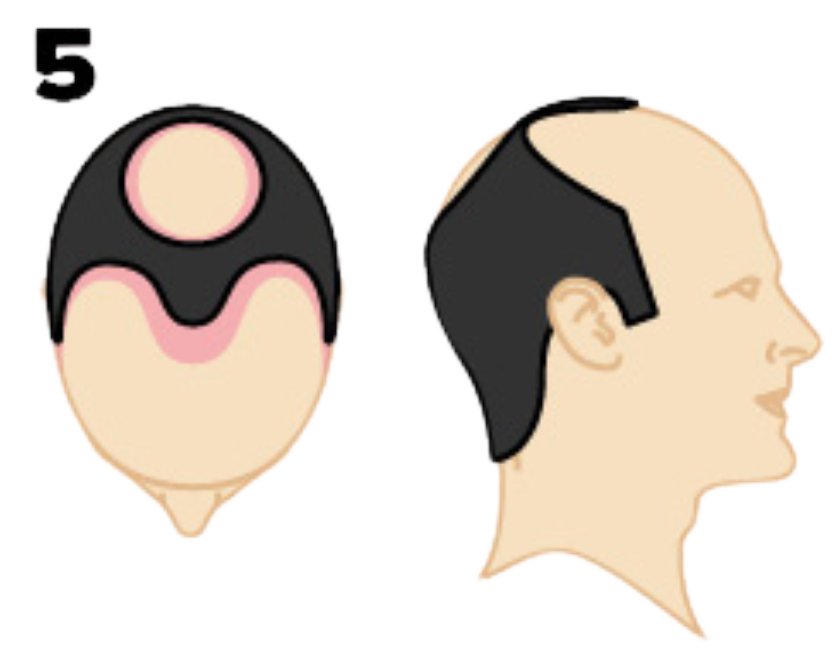
Stage Five
Hairline and crown areas widen, and hair bridge narrows.
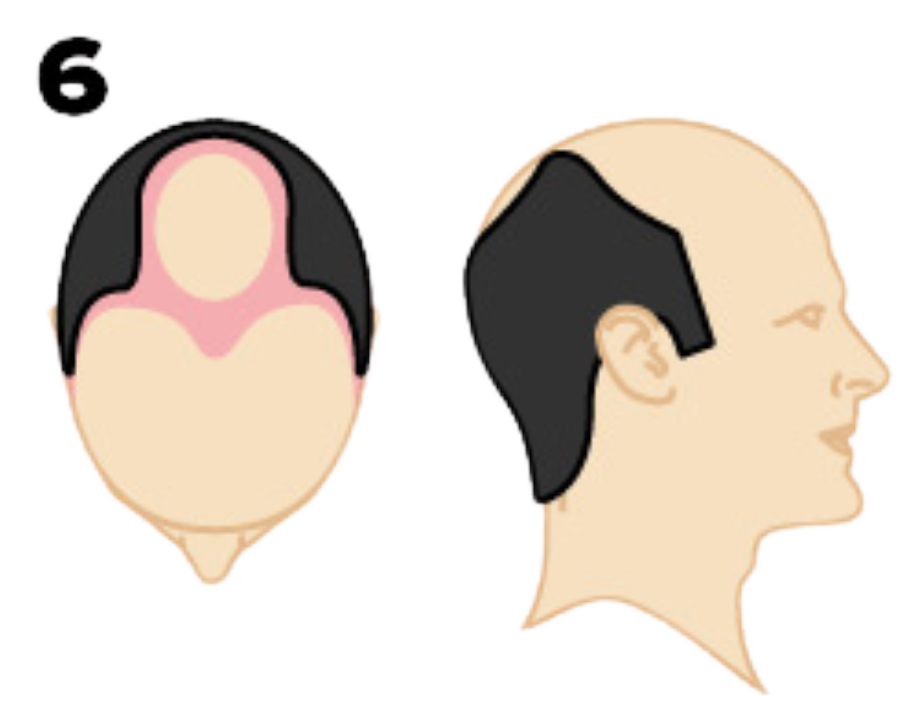
Stage Six
Hair bridge disappears, receding hair connects crown.
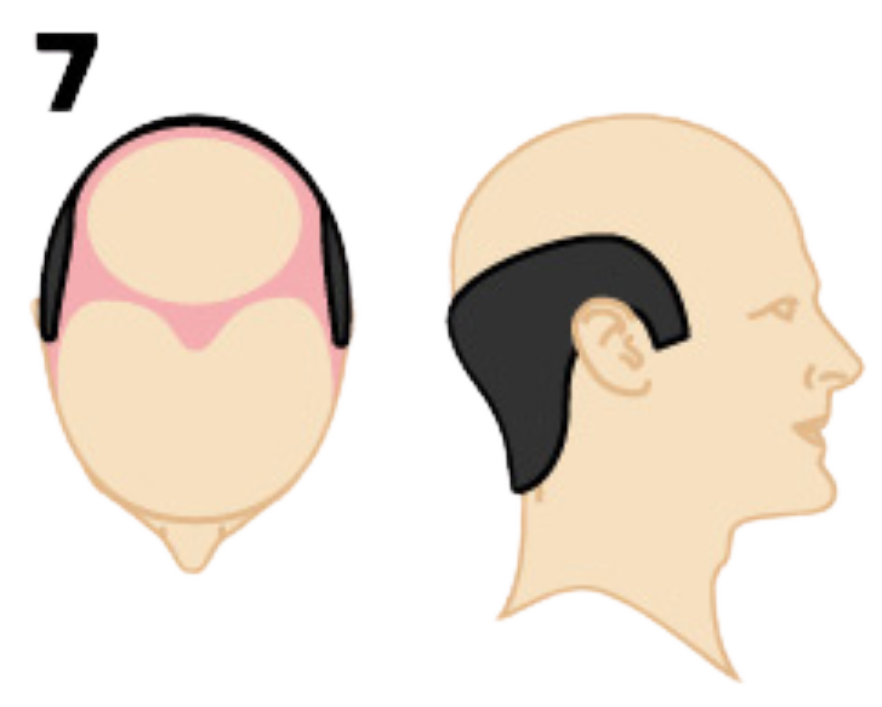
Stage Seven
Extensive loss; A thin band of hair around sides and back.
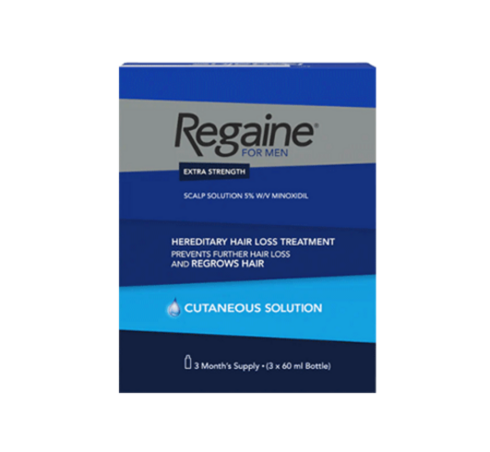
UK Registered prescribers
Complete privacy guaranteed
Express next day delivery on orders before 3PM
Registered UK Pharmacy
Regaine & Finasteride VS Placebo for Hair Regrowth
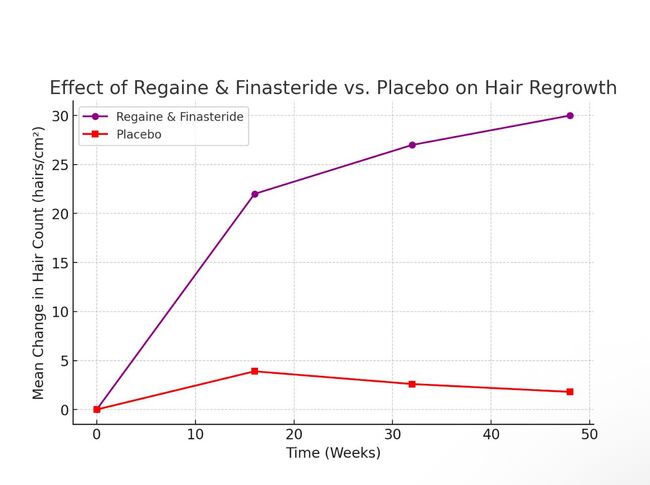
Clinical studies show that combining Regaine (Minoxidil) with Finasteride delivers the most effective results for male pattern baldness. Over 48 weeks, men using both treatments experienced a significant increase in hair count, outperforming placebo users by a wide margin. This combination helps target both the hormonal and growth cycle causes of hair loss.
How can I treat hair loss?
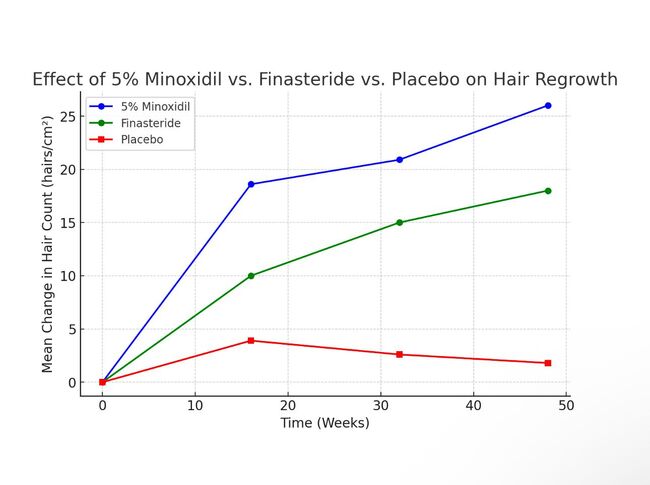
Research shows that 5% Minoxidil and Finasteride both promote visible hair regrowth within months of consistent use. Minoxidil stimulates follicles to grow new hair, while Finasteride reduces DHT levels that cause thinning. Used together, they form the gold standard in hair loss treatment for lasting, fuller results.
Will Topical alone work?
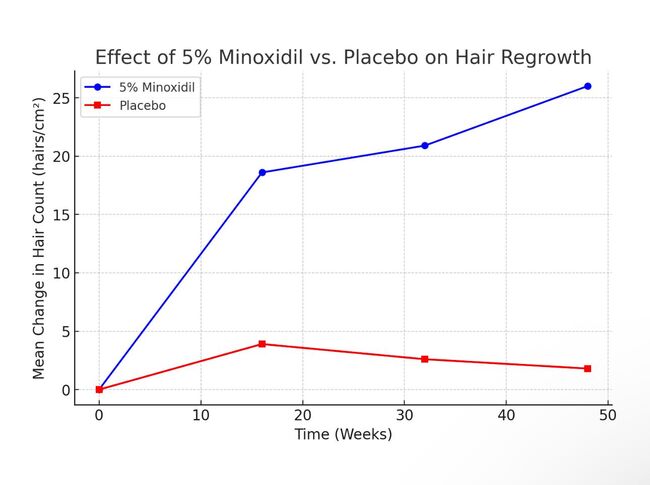
Topical treatments like Minoxidil can significantly boost hair growth when used consistently.
The data shows clear improvement compared to placebo, proving that 5% Minoxidil helps stimulate dormant follicles. However, results are often enhanced when combined with oral treatments like Finasteride, which targets hormonal causes of hair loss. Using both can deliver faster, thicker, and longer-lasting regrowth.
Finasteride vs Placebo
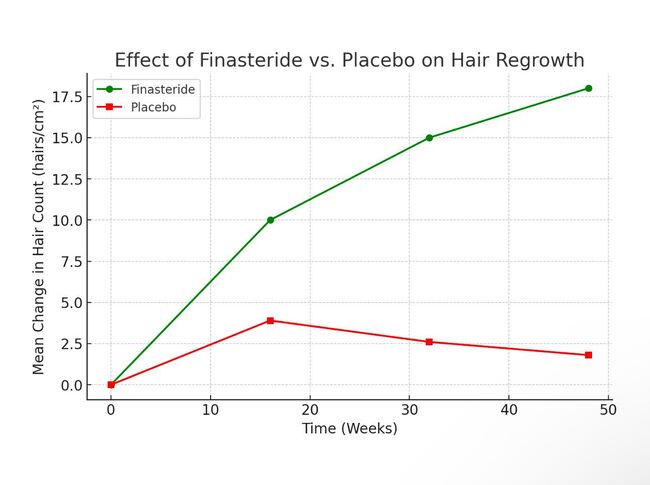
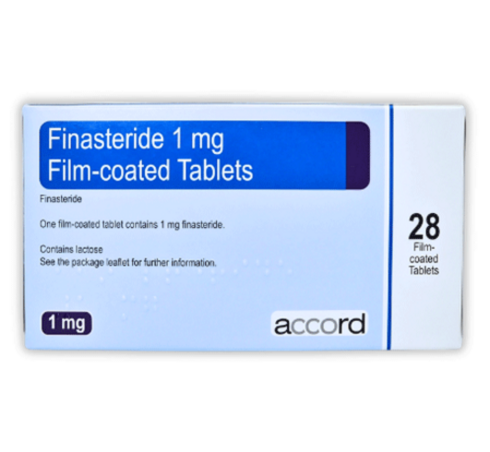
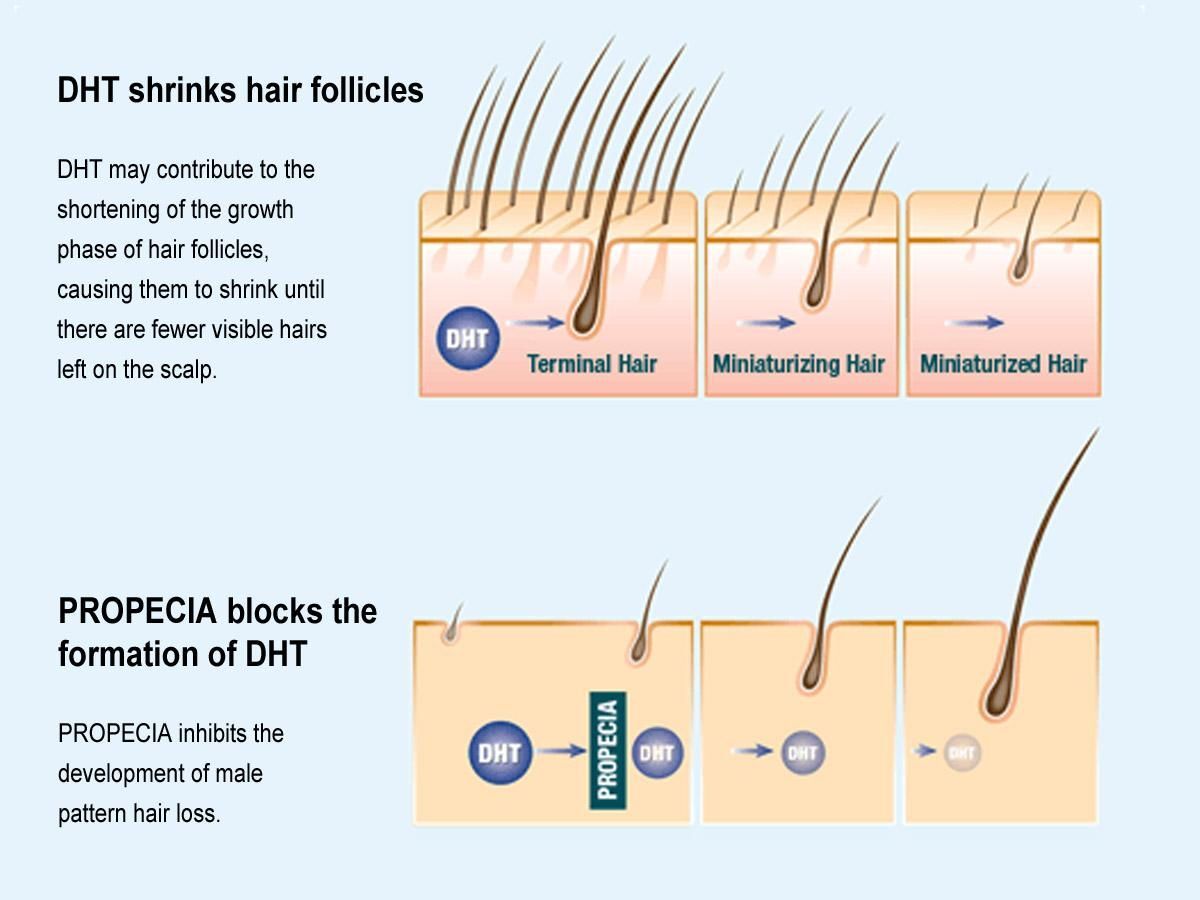
Finasteride works internally by reducing DHT, the hormone responsible for hair thinning. Clinical results demonstrate steady and sustained hair regrowth versus placebo, making it one of the most effective oral options for male pattern hair loss.
Explore Conditions
Search, Learn and Gain Insights.

Complete Consultation
Assess Safety and Suitability.
Order & Delivery
Select, Order, Receive your Medication.
What causes hair loss?
Hair loss stems from multiple causes:
- Aging.
- Medical conditions like thyroid issues or alopecia.
- Environmental damage from pollution or hair styling.
- Genetics leading to Hereditary androgenetic alopecia.
- Stress elevates cortisol, disrupting hair growth cycles.
- Medications, such as chemotherapy, may induce temporary loss.
- Nutritional deficiencies, such as low iron, can weaken hair strands.
- Hormonal changes - Dihydrotestosterone (DHT) is the predominant trigger in male pattern baldness.
What should I expect when trying a hair loss treatment?
When initiating a hair loss treatment like Finasteride, Propecia, or Regaine Solution, expect a structured yet personal progression. When using Finasteride, DHT levels start to drop within weeks, slowing further hair loss. Early regrowth might appear around three to six months, with fine hairs signaling follicle revival, a rewarding milestone. Thicker, fuller hair strands could emerge by six to twelve months, with hair density increasing. Consistency is key; long-term use sustains gains, delivering a fuller, healthier scalp over time.
Who is suitable for hair loss treatments?
Hair loss treatments are appropriate for men aged 18-65 with mild to moderate male pattern baldness. Finasteride, Regaine and medicated hair spray/foams are unsuitable for women. The Patient Information Leaflet provided outlines further information on warnings and precautions.
Are there any side effects when using hair loss treatments?
Finasteride, Propecia, or Regaine for hair loss may have manageable side effects, varying by individual. Finasteride and Propecia might cause reduced libido, erectile difficulties, or mild breast tenderness in rare cases; however, side effects are typically reversible upon discontinuation. Other rare side effects include depression or thoughts or acts of suicide. Regaine Solution, when applied topically, could lead to scalp irritation, dryness, or temporarily increased shedding as follicles adjust, which is a sign of renewal. Less commonly, rapid heartbeat or dizziness may occur with Regaine. Consult a professional if concerns arise; a comprehensive Patient Information Leaflet is supplied with treatment and details the full side effect profile.
How soon will I see results?
Finasteride/Propecia - Early regrowth can be seen between 3-6 months. Expect fuller, noticeable results between 6-12 months. Patience pays off as your hair regains strength.
Regaine - Within 2-4 months of daily use, its minoxidil formula boosts scalp blood flow, and you may spot new growth—fine hairs at first, a sign of progress. By 4-6 months, thicker, more visible results often take shape, rewarding your dedication.
Which is the best hair loss treatment for me?
Choosing your hair loss treatment is a personal step toward reclaiming your confidence.
Finasteride, a daily tablet, is ideal if you’re an adult man with early to moderate baldness, tackling DHT to slow loss and regrow hair—perfect for a receding hairline or thinning crown, showing progress in 3-6 months. Regaine, a topical solution with minoxidil, suits you if you want quicker, targeted growth, reviving follicles in thinning spots within 2-4 months—great if you favour a hands-on approach.What if I stop treatment?
If you stop your hair loss treatment, the hair that has grown back will likely fall out within three to four months. Consistent use is therefore advised to maintain the best results.